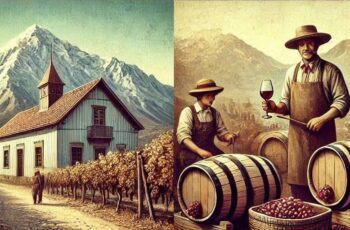
Archaeoastronomy and Cruiseships Revives Ancestral Wine Tourism in Maipo, Aconcagua and Coquimbo
For decades, wine tourism in Chile in Central Valley was primarily associated with vineyard visits, winery tours, and tastings in the country’s most famous wine valleys. However, a new trend is attracting both domestic and international travelers: the fusion of archaeology, hiking along ancient Inca routes, and archaeoastronomical experiences. While some of these activities have existed for more than 20 years in selected regions, 2026 has marked a significant revival of interest in this unique form of cultural tourism.
An important factor behind the growth of these experiences is the sustained arrival of international cruise passengers to the Coquimbo Region. For more than 25 years, the region has welcomed an average of over 20 cruise ships annually between November and May, with peak seasons bringing more than 22,000 passengers through the Port of Coquimbo thanks to the Tour Operator Ingservtur.
 According to Agronomist Engineer and wine tourism specialist Maximiliano Morales, who has worked in the tourism industry since 1999, this influx of international visitors has contributed to the parallel evolution of specialized wine tourism experiences beyond the traditional vineyard tour model.
As demand for authentic cultural experiences has increased, travelers have shown growing interest in exploring one the highest vineyards in Chile, located in the Elqui Valley, as well as the renowned limestone-rich terroirs of the Limarí Valley. These unique wine-growing regions have attracted international investors for producing wines of exceptional quality, generating considerable discussion among wine critics and industry professionals due to the premium prices increasingly achieved by wines originating from these distinctive terroirs.
The Archaeo-Gastronomic Wine Tour by AndesWines.com seeks to connect visitors with the territories where ancient Andean civilizations flourished and where, centuries later, one of Latin America’s most important wine industries emerged.
Rediscovering Chile’s Forgotten Wine Origins
The historical connection between pisco and wine has gained renewed attention thanks to recent research exploring the origins of Chilean viticulture in the country’s northern regions. Among the most notable contributions is the work of researcher and historian Patricio Orellana, whose book History of Wine Before the Rise of Pisco uncovers little-known evidence about the early presence of grape cultivation in the Norte Chico and the role Indigenous communities played in transforming the region’s agricultural landscape.
The story begins with the arrival of the Spanish in northern Chile during the 16th century. From Copiapó to the valleys surrounding La Serena, some of the first vineyards in Chile were established, laying the foundation for an agricultural activity that would eventually lead to the production of grape spirits and later the development of pisco. Yet viticulture did not emerge in an empty land. Spanish settlers encountered highly sophisticated agricultural societies already adapted to the semi-arid conditions of northern Chile.
The Diaguita people had developed advanced irrigation systems through canals and waterways that efficiently captured meltwater from the Andes. These techniques enabled the cultivation of maize, beans, quinoa, and other crops despite scarce rainfall. Orellana’s research also highlights the role of Diaguita women, who produced fermented beverages from local fruits and seeds, maintaining a fermentation tradition that predated the arrival of European wine.
Although the Diaguitas did not produce grape wine, their understanding of the land proved essential to the later success of viticulture. They identified many of the fertile agricultural zones of the Elqui, Limarí, and Choapa valleys, areas that today host some of Chile’s most recognized vineyards. Their expertise in water management remains highly relevant as the wine industry faces increasing challenges related to climate change and water scarcity.
Pirates, Wine and the Destruction of La Serena
The economic importance of wine in the region became evident during one of colonial Chile’s most dramatic events. In December 1680, English privateer Bartholomew Sharp landed in Coquimbo Bay and captured the city of La Serena. For several days, his men looted homes, churches, and public buildings, seizing food, copper, olive oil, and wine—products that represented a significant portion of the area’s wealth.
Before departing, the pirates set fire to much of the city, destroying valuable historical archives that documented the early years of agricultural and commercial activity in the region. The attack remains one of the most significant episodes in northern Chilean colonial history.
More than three centuries later, the same territory is once again attracting attention, this time through tourism, archaeology, and wine culture.
This historical episode later inspired local maritime entrepreneurs to recreate the pirate experience through themed sailing excursions along the Coquimbo coastline. Every afternoon, replica vessels modeled after the size and style of the ships used by 17th-century pirates depart from the Port of Coquimbo, navigating through key locations associated with the region’s pirate history.
These excursions allow visitors to experience a journey back in time while exploring the bays and strategic coastal points once frequented by corsairs and privateers. Onboard celebrations and entertainment are designed to evoke the atmosphere of the colonial era, offering travelers a unique combination of history, culture, and maritime adventure against the backdrop of one of Chile’s most historic coastal regions.
Valle del Encanto: Where Archaeology Meets Wine
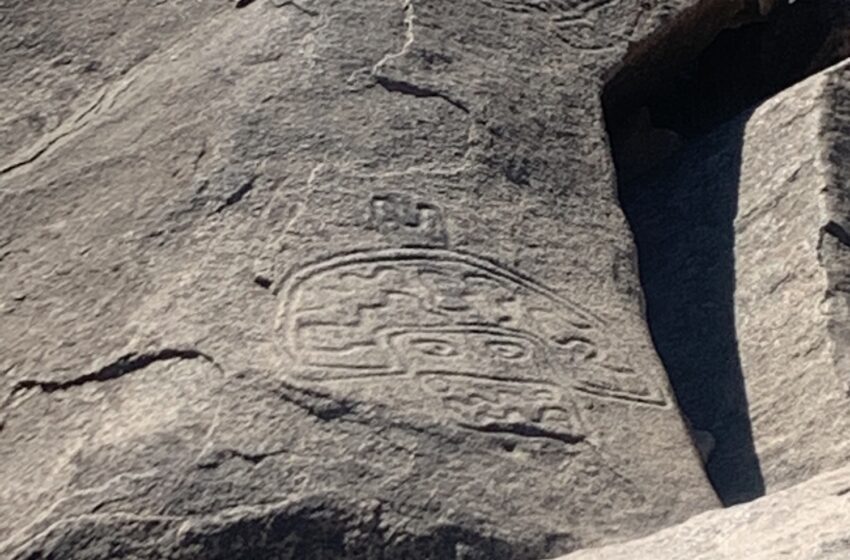
One of the flagship destinations of this emerging trend is the Valle del Encanto in Chile’s Coquimbo Region. Known for its ancient petroglyphs and archaeological remains dating back more than 2,000 years, the site has become a meeting point between heritage, nature, and wine.
Several nearby wineries are now offering experiences that combine interpretive hikes with tastings of Chardonnay, Pinot Noir, and Carmenère, allowing visitors to understand the deep relationship between landscape, history, and viticulture.
Walking the Inca Trail Through Wine Country
Another highlight is found in the Aconcagua Valley, where surviving sections of the ancient Inca Trail cross agricultural zones that today produce world-class wines. Travelers can explore archaeological sites and petroglyphs while tasting Cabernet Sauvignon, Syrah, and Chardonnay grown in one of Chile’s most prestigious wine regions.
Led by Agronomist Engineer Maximiliano Morales, visitors can also explore pre-Andean sectors of the Maipo Valley, including protected stretches of the historic Inca Road and state-conserved hiking trails that reveal the region’s cultural and agricultural heritage.
Archaeoastronomy in the Elqui Valley
One of the most innovative experiences offered in northern Chile is archaeoastronomy tourism, a concept that combines night-sky observation with the ancestral knowledge of the cultures that once inhabited the Norte Chico.
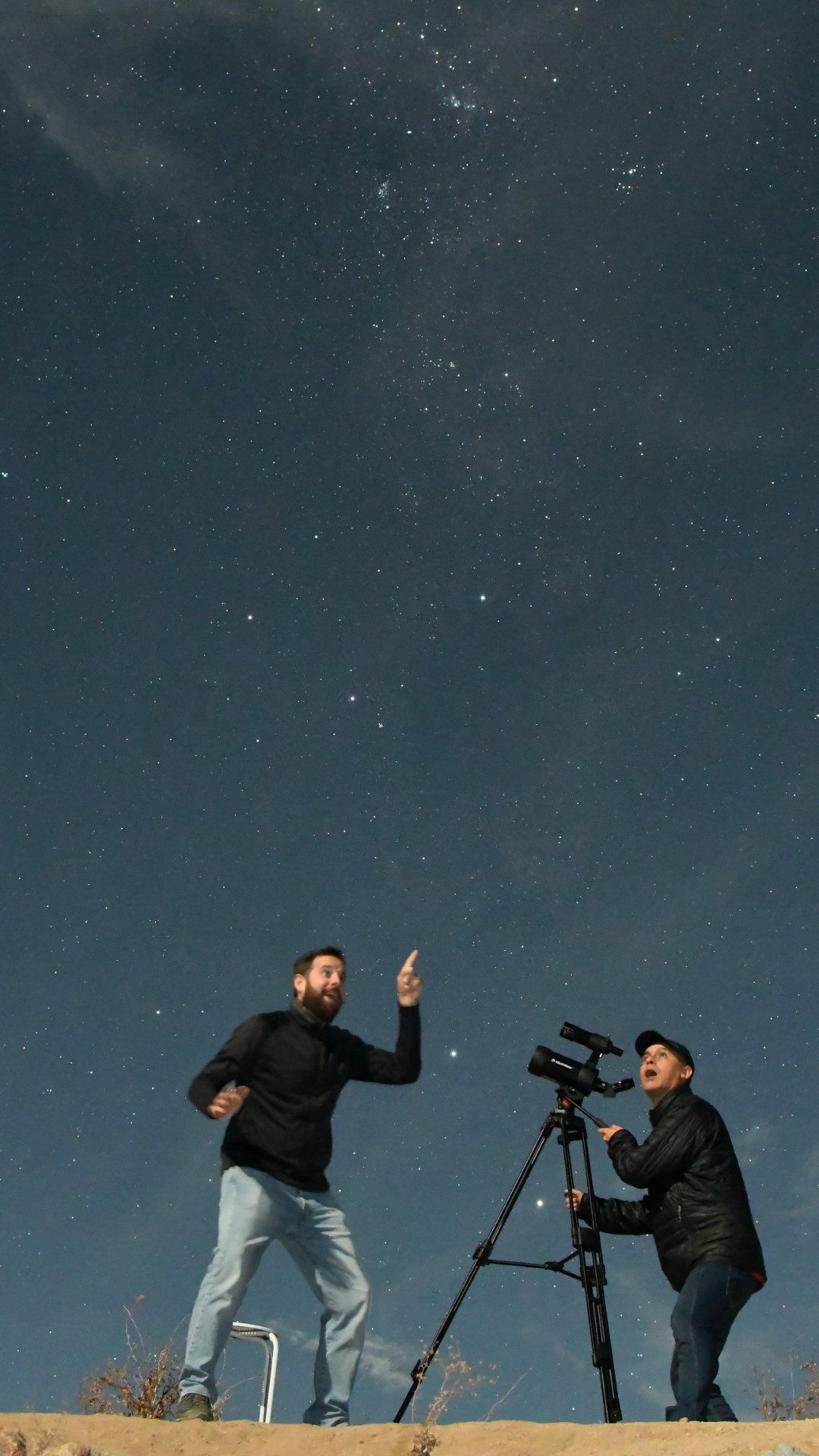
The experience introduces visitors to the skies of the Elqui Valley, widely regarded as among the clearest in the world for observing the Milky Way and the universe. Participants may choose between observing from an amateur observatory equipped with mobile telescopes atop the hills surrounding Vicuña, or visiting one of the region’s established tourist observatories in Elqui or Limarí.
While exploring the cosmos, guests enjoy tastings of high-altitude wines produced in the region. The experience includes traditional Moscatel varieties, grapes historically associated with pisco production that are now being vinified and bottled as premium wines, offering a new interpretation of northern Chile’s ancestral wine heritage.
As part of the activity, participants can also create a lasting souvenir through long-exposure night photography. Taking advantage of the area’s natural darkness and extraordinary visibility, visitors can capture thousands of stars, the Milky Way, and even celestial motion trails. The resulting images provide an unforgettable memory of a night spent beneath some of the cleanest skies on Earth.
Tour Coordinations at max@andeswines.com o whatsapp +56 9 3251 7848
Photo Credit: Explora Elqui and Tour Coordinated by Turismo Lancuyen