IMBERT Labs y Maestranza MyS se alían para desarrollar infraestructura
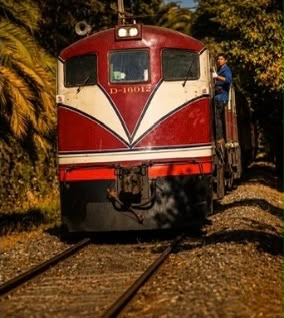
Chile by Rail: Reinventing Luxury Wine Tourism Through Heritage Railways, Gastronomy and Terroir
From the Andes to the Pacific, Chile is transforming its historic railways into immersive journeys that combine world-class wines, regional gastronomy, spectacular landscapes and cultural heritage, creating one of South America’s most distinctive luxury travel experiences.
Few countries possess the extraordinary combination of landscapes, wine regions and railway heritage found in Chile. Stretching more than 4,000 kilometres along South America’s Pacific coast, the country is uniquely positioned to reinvent luxury wine tourism through a collection of slow-travel experiences that connect vineyards, historic railways, local gastronomy and authentic cultural traditions.
Rather than simply transporting passengers, Chile’s heritage trains are becoming gateways to some of the country’s most celebrated terroirs, inviting travellers to experience wine at its source while discovering the landscapes, communities and history that have shaped Chilean viticulture for centuries.
The Railway That Helped Build Chile
Chile’s railway history began with the inauguration of the Caldera–Copiapó Railway on 25 December 1851, making it the country’s first railway and one of the earliest in South America. Promoted by American entrepreneur William Wheelwright, the line connected the port of Caldera with the mining city of Copiapó, supporting the rapid expansion of the silver industry following the discovery of the Chañarcillo deposits, a historically massive, world-renowned silver mining district located in the Atacama Region of Chile.
Wheelwright’s vision extended far beyond mining. His investment in railways, ports and steamship services transformed transportation along South America’s Pacific coast and laid the foundations for Chile’s modern railway network.
As railways expanded southwards during the late nineteenth century, they became essential not only for mining but also for agriculture, wine production and regional development towards La Serena, founded in 1544, south of Copiapo.
These historical findings related to Copiapó and La Serena inspired historian Patricio Orellana Varas a year ago to begin researching the origins of wine in northern Chile and how grapevines were introduced from Cusco across the Andes. This route contrasts with the Itata Valley, located more than 700 kilometres to the south, where grapevines arrived by sea. Last week, the research was completed, and the book The History of Wine Before the Rise of Pisco entered its final editing stage. It is expected to be published in Chile in the next couple of months.
Between approximately 1885 and 1915, major steel railway bridges manufactured by the French engineering company Schneider et Cie enabled the expansion of the national rail network across central and southern Chile. These remarkable engineering works, together with the construction of the San Rosendo Railway Workshops (Maestranza) between 1929 and 1934, established San Rosendo as one of Chile’s most important railway hubs and left behind an industrial heritage that today offers enormous tourism potential.
Four Signature Rail & Wine Experiences
Aconcagua Valley: Cabernet Sauvignon beneath the Andes

One of Chile’s newest wine rail experiences follows the historic railway corridor linking San Felipe and Panquehue, in the heart of the Aconcagua Valley, where we can find historical wineries like Errazuriz (Founded in 1870), El Escorial, Insitu, Von Siebenthal, Peumayen, Sanchez de Loria, among others.
Surrounded by the Andes Mountains, this renowned wine belongs to Valparaiso Region, that combines Mediterranean conditions, alluvial soils and mountain influences that produce elegant Cabernet Sauvignon, Syrah and Bordeaux-style blends, and is very close to Ski Resort Portillo, built in 1949.
To add more complexity to this region, Viña El Escorial is home to one of Chile’s most distinctive wine projects, with its high-altitude mountain vineyard (Syrah and Malbec) located in the Río Colorado area on the road to Portillo, at 1,600 metres (5,250 feet) above sea level in the heart of the Andes Mountains. Planted in 2012 as part of the revival of the historic family winery founded in 1880, the vineyard was established to produce premium mountain wines with a strong sense of place. Its unique terroir is defined by cool temperatures, wide day-to-night temperature variation, intense solar radiation, and pure spring water sourced from Las Perdices Creek, creating ideal conditions for crafting elegant, expressive high-altitude wines.
Visitors explore boutique wineries in Panquehue, historic vineyards and rural estates while discovering the valley’s railway heritage. Previous heritage train services have already demonstrated the enormous tourism potential of reconnecting this historic corridor.
Maule, Itata and Biobío: Heritage Railways Through Chile’s Oldest Vineyards
 A second itinerary departs from Santiago before travelling south to Talca, where travellers board the iconic Talca–Constitución Railway, one of South America’s last surviving rural branch lines.
The journey as an extension, winds through rivers, forests, vineyards and farming communities before continuing towards the historic wine landscapes of Ñuble and Biobío.
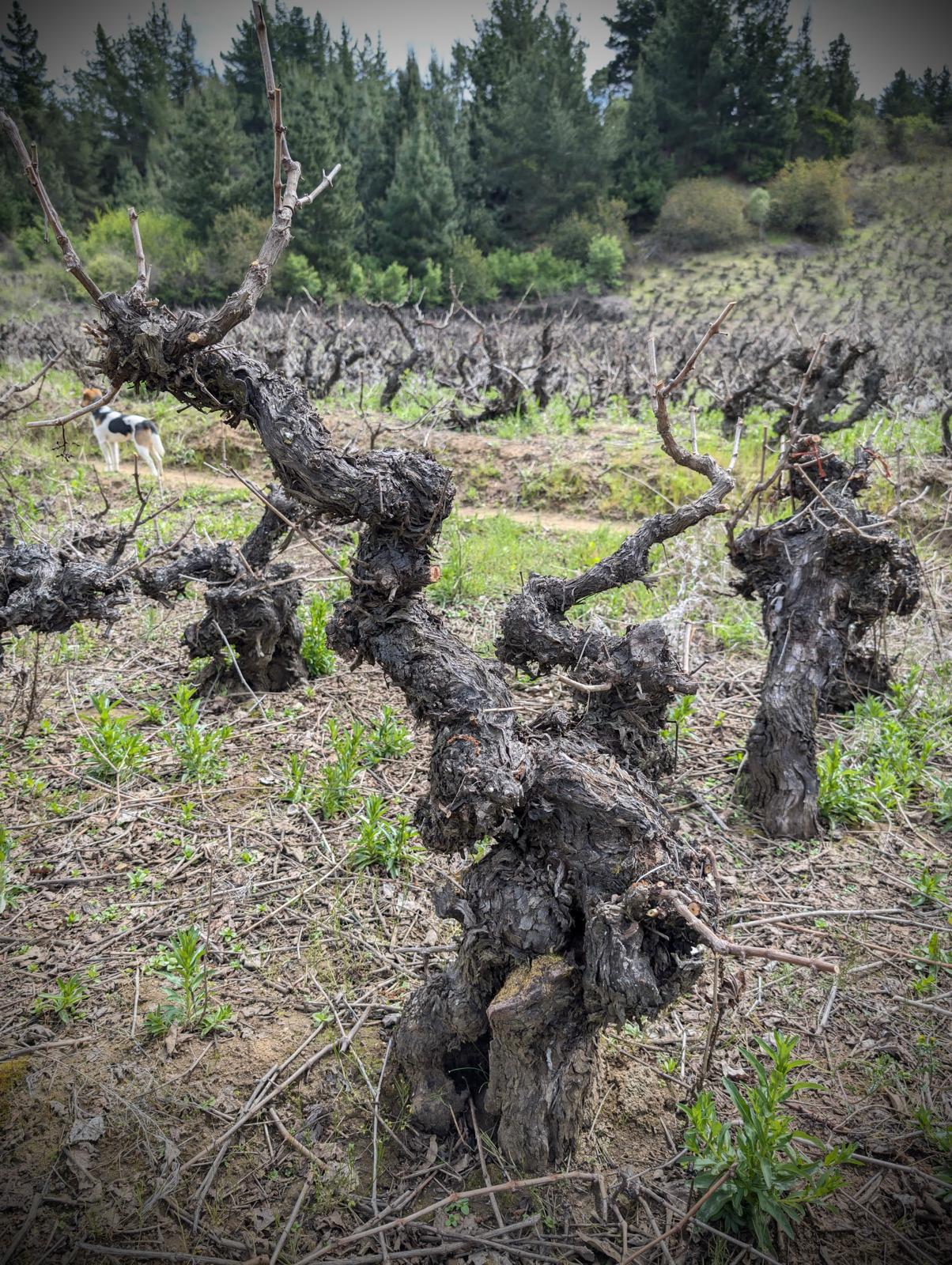
Maximiliano Morales states ¨For those who enjoy aviation and rail travel, the journey begins with a one hour flight to Concepción from Santiago, followed by a scenic train ride to San Rosendo, a historic railway town that serves as the gateway to some of Chile’s oldest Cabernet Sauvignon and Malbec vineyards, and probably, the world. Many of these heritage vines were planted by French Colonizers that arrived to San Rosendo Railway Workshops, now helping redefine southern Chile as an emerging premium wine destination while preserving an extraordinary legacy of old-vine viticulture. The Train departures every single day from Concepcion towards Laja and stops in San Rosendo few times per day.¨
The experience can also be complemented with visits to the historic Itata Valley by bus or a van, where centuries-old País, Cinsault and Muscat vineyards continue to be cultivated by generations of family growers.
Maipo Valley: Chile’s Great Cabernet Sauvignon Terroir
The third itinerary demonstrates how even an urban transport network can become part of a premium wine experience.
Beginning in downtown Santiago, travellers combine the Santiago Metro and suburban rail services to reach the historic Maipo Valley, exploring vineyard districts including Los Morros and Mariscal, located between the Central Valley and the Andean foothills.
This exceptional terroir, shaped by cool mountain breezes, altitude and alluvial soils, has earned international recognition as one of the world’s finest regions for Cabernet Sauvignon. Visitors also discover some of Chile’s oldest surviving vineyards, where history, innovation and sustainability converge.
The Elqui Valley: Chile’s Next Great Railway Wine Destination
While central and southern Chile continue expanding railway wine tourism, northern Chile presents perhaps the country’s greatest untapped opportunity.
The historic La Serena–Rivadavia Railway, constructed between 1882 and 1886, once connected the Pacific coast with the heart of the Elqui Valley, transporting passengers, agricultural products and minerals while supporting the region’s economic development. The last scheduled train service between La Serena and Rivadavia took place in June 1975, when the Chilean State Railways (EFE) discontinued both passenger and freight operations on the La Serena–Rivadavia branch line, popularly known as the Elquino Train.
Today, the consulting firm AmixTechLab.com is promoting a long-term vision to recover sections of this historic railway as the foundation for a new tourism experience integrating wine, pisco, gastronomy, astronomy and cultural heritage.
Internationally recognised as the birthplace of Chilean pisco, the Elqui Valley is home to vineyards producing Muscat of Alexandria, Pink Muscat and Pedro Jiménez for premium pisco production. At the same time, a new generation of boutique wineries are crafting elegant high-altitude red wines that reflect the valley’s exceptional climate and dramatic Andean landscapes.
The Elqui Valley is also home to several world-class astronomical research facilities, including Cerro Tololo Inter-American Observatory, Gemini South Observatory, SOAR Observatory, and the Vera C. Rubin Observatory, which houses the Legacy Survey of Space and Time (LSST) telescope—one of the world’s most ambitious astronomical projects, designed to create an unprecedented decade-long survey of the southern sky.
Together with world-renowned observatories, mountain scenery and coastal seafood gastronomy, the Elqui Valley Wine & Pisco Train could become one of South America’s most distinctive railway tourism experiences, says Max Morales-
More Than Wine: Discovering Chile Through Its Flavours
The Train & Wine Exploration initiative extends far beyond vineyard visits.
Each journey celebrates Chile’s remarkable culinary heritage, introducing travellers to regional recipes, seasonal ingredients and local traditions that have evolved over centuries.
Along the Pacific coast, guests enjoy oysters, mussels, locos, piures and fresh seafood harvested by artisanal fishing communities. Inland, menus feature locally raised lamb, traditional stews, native fruits and recipes prepared by families who continue preserving Chile’s rural culinary identity.
Accommodation reflects the same philosophy, ranging from boutique vineyard lodges and countryside estates to mountain retreats and coastal hotels, allowing travellers to select experiences that match both their interests and budgets.
A New Definition of Luxury
For Maximiliano Morales, Agronomist, Wine Tourism Specialist and Tour Leader, luxury travel is evolving beyond conventional hospitality.
«Luxury today is no longer defined simply by five-star hotels. It is about experiencing exceptional wines where they are grown, enjoying regional cuisine prepared by local communities, travelling at the pace of the railway, and discovering the authentic landscapes and people that make every destination unique.»
This philosophy perfectly reflects the future of Chilean wine tourism.
Rather than competing solely through iconic wineries, Chile has the opportunity to differentiate itself through authentic railway journeys that unite history, gastronomy, sustainability and terroir into unforgettable travel experiences.
Ultimately, Chile by Rail is more than a collection of wine tours. It represents a new vision for luxury travel—one rooted in heritage, authenticity and meaningful connections with the landscapes, wines and communities that define one of the world’s most extraordinary wine-producing countries.
andes@andeswines.com
whatsapp +56 9 3251 7848