The Lost Bonarda Vine of Patagonia: DNA Profiling Reveals a Hidden Chapter of Chile’s Viticultural Heritage
A forgotten vine growing hidden in the forests of Patagonia has revealed an extraordinary story about the migration, conservation and genetic identity of one of South America’s most fascinating grape varieties.
During an exploration searching for lost and abandoned vineyards in southern Chile, a unique vine was discovered growing naturally through the forest canopy in the Puelo Valley, near Tagua Tagua. The ancient vine extending several meters among native trees, represented a living testimony of the historical movement of grape varieties across borders and generations.
During the visit, this discovery was confirmed during the expedition of Jancis Robinson MW and Nicolas Lander, Food Writer for Financial Times, who traveled together with José Vouillamoz and explored the Puelo Valley, as well as the Itata Valley, tasting a selection of wines from southern Chile and discovering the unique terroirs and viticultural heritage of the region. This exploration was coordinated by Maximiliano Morales
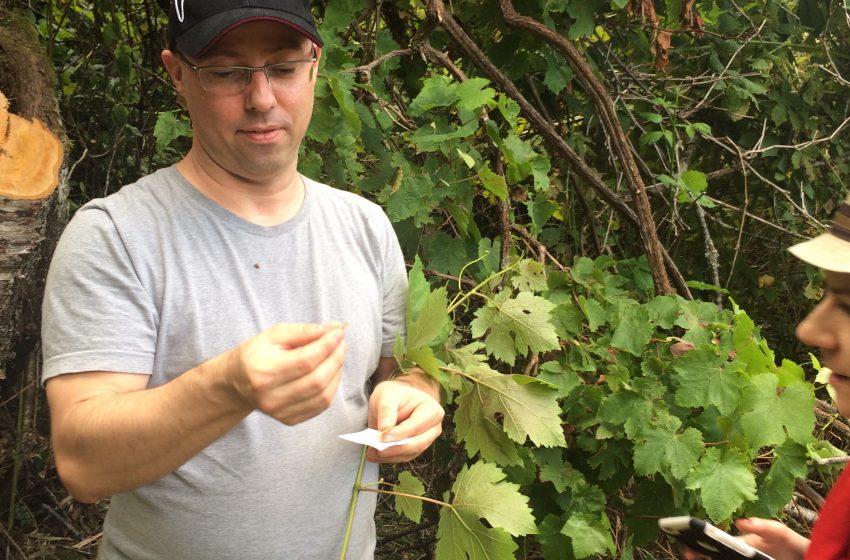
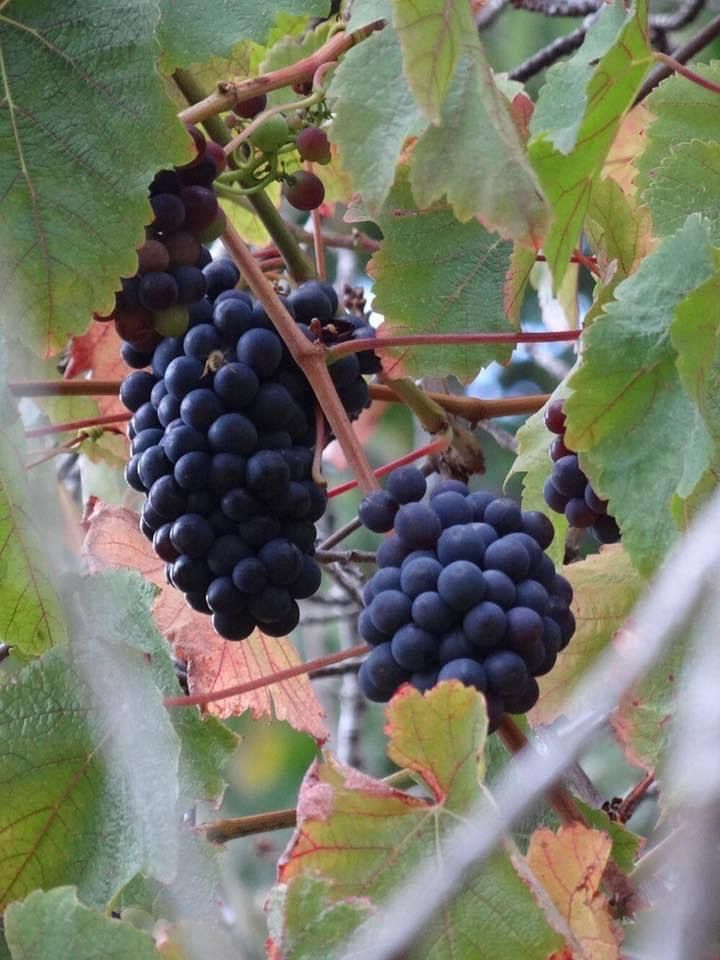 To determine its identity, samples were analyzed through DNA profiling conducted by Swiss grape geneticist José Vouillamoz, one of the world’s most recognized specialists in grapevine genetics and ampelologist the origins of wine varieties. The results identified the mysterious vine as Bonarda, a grape variety genetically known as Douce Noire in France and Charbono in California.
The discovery demonstrates the power of combining science, history and exploration to rescue the hidden heritage contained within old vineyards and isolated vines. Genetic analysis allows researchers and wine explorers to identify forgotten varieties that have survived outside conventional viticulture, preserving valuable genetic diversity for future generations.
Bonarda: A Grape With a Global Journey
Although today Bonarda is strongly associated with Argentina, where it became one of the country’s emblematic red varieties, its origins tell a much broader story of European migration and adaptation in South America.
DNA studies have shown that the Bonarda planted extensively in Argentina corresponds to the French variety Douce Noire, rather than the Italian Bonarda varieties. Over centuries, vines traveled alongside immigrants, farmers and rural communities, creating unexpected genetic treasures in remote landscapes.
The discovery of this Patagonian Bonarda highlights how isolated territories can preserve forgotten chapters of wine history.
AndesWines.com Launches the “Tour of the Lost Grape” in Patagonia
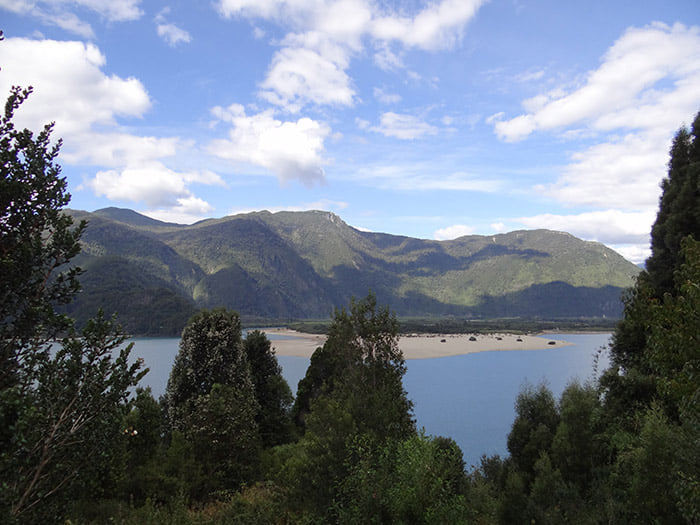 In September 2026, Andes Wines, led by agronomist, wine writer and CEO Maximiliano Morales, will launch the “Tour of the Lost Grape”, a pioneering wine heritage experience beginning in Puerto Varas and exploring the Puelo Valley in Patagonia, Chile.
The expedition will invite wine lovers, explorers, journalists and travelers to discover the landscapes where forgotten grape varieties survived, connecting:
- Ancient vines and lost vineyards.
- DNA profiling and genetic heritage.
- Patagonia’s rural history and cultural landscapes.
- Local gastronomy and sustainable tourism experiences.
The Tour of the Lost Grape seeks to transform a scientific discovery into a new model of wine heritage tourism, creating economic opportunities for rural communities while protecting Chile’s forgotten agricultural treasures.
Recovering the Memory of Ancient Vines
“For decades, many old vines were considered commercially irrelevant. Today, they represent biodiversity, cultural identity and opportunities for innovation in wine tourism,” explains Maximiliano Morales, founder of Andes Wines and AmixTechLab.com, a business accelerator that is carrying out these
The initiative connects modern technology with ancestral agriculture through:
- DNA technology to identify unknown grape varieties.
- Historical research to understand the migration of vines.
- Wine tourism experiences focused on authentic terroirs.
- Innovation strategies to add value to rural landscapes.
The Bonarda vine of the Puelo Valley is more than a grape — it is a living archive of migration, adaptation and resilience. Its discovery opens a new chapter in the exploration of Chile’s hidden wine heritage and reinforces Patagonia as a destination for global wine explorers.
About Jose Vouillamoz
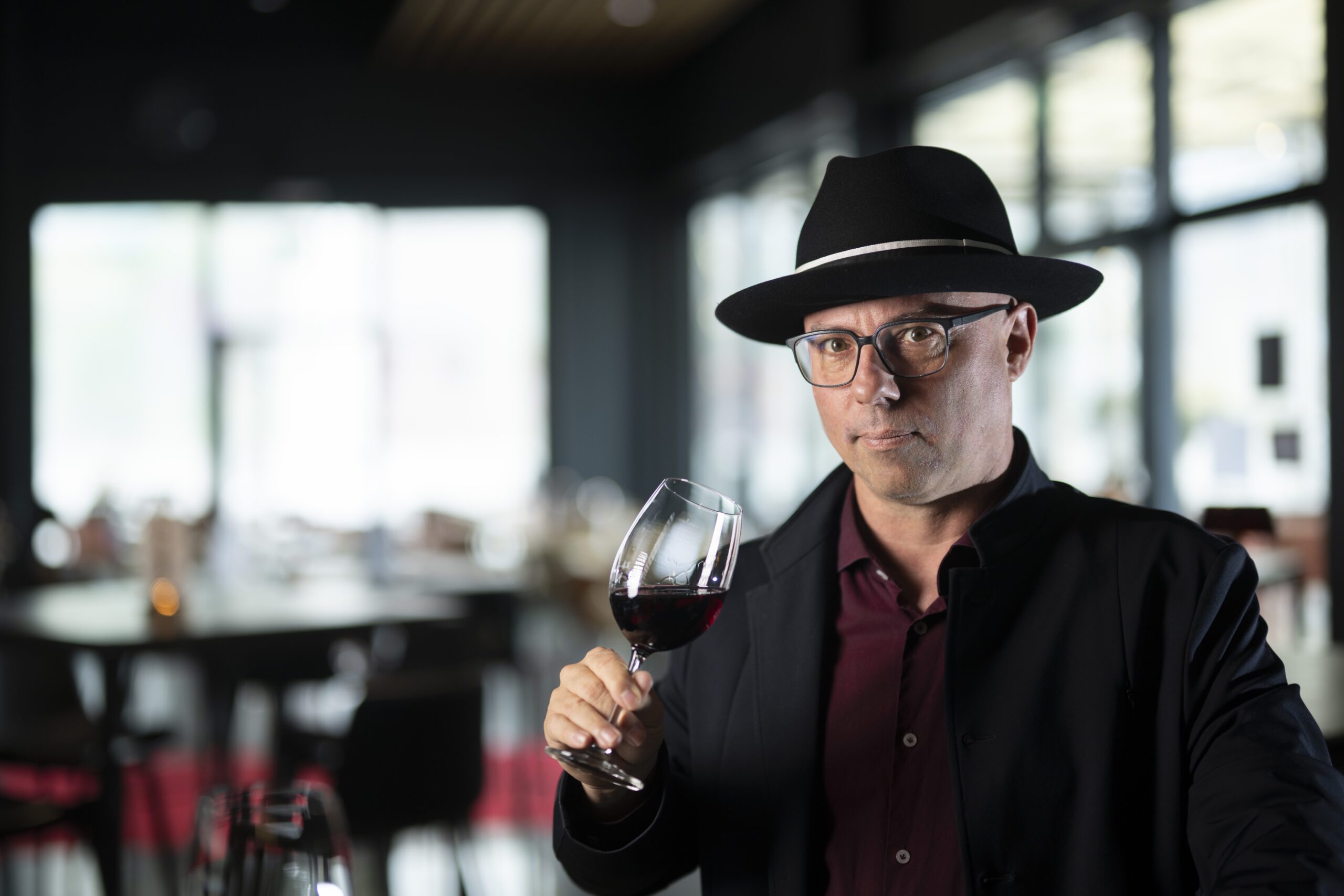
Dr José Vouillamoz is one of the world’s leading authorities on the origin and parentage of grape varieties through DNA profiling. Swiss grape geneticist of international fame, trained with Prof Carole Meredith at the University of California at Davis (USA), he’s the co-author with the two Masters of Wine Jancis Robinson and Julia Harding of the multi-award winning book Wine Grapes (Allen Lane, 2012), the ultimate reference on all the grape varieties that are cultivated in the world. Wine Grapes was subsequently published in Japanese. In 2017, he published the reference book Cépages Suisses – Histoires et Origines that was a huge national success, which was later translated into German and English, with a revised and enhanced edition in 2025. Also in 2025, he published Grands cépages d’origine française focusing on the 12 most famous international grape varieties. Dr Vouillamoz is also author and co-author of several scientific papers and grape books, such as the Oxford Companion to Wine and the World Atlas of Wine. He was deputy director of DIVO, the most important and ancient wine club in Switzerland, between 2019 and 2024. Dr Vouillamoz is an independent wine expert, wine writer, wine educator and lecturer, as well as a member of the Académie Internationale du Vin, the Académie du Vin de Bordeaux (only Swiss member), the Mémoire des Vins Suisses and the Circle of Wine Writers.
If you would like to hire the services of ampelologist Jose Vouillamoz please contact Maximiliano Morales via WhatsApp at +56 9 3251 7848 or by email at max@andeswines.com
Andes Wines Communications® continues documenting ancient vines, forgotten terroirs and emerging wine destinations through international media, explorations and storytelling.